Empowering Wellness: Navigating Oncology Through Community and Education
Navigating the tumultuous waters of an oncology diagnosis can feel like sailing against a storm without a compass. It's easy to feel isolated, overwhelmed, and fearful as you face uncertainties regarding treatment options and potential outcomes. But what if I told you that the beacon of hope in these trying times could very well be the community around you? Building a supportive network can not only enhance your wellness but also transform the way you approach cancer care. This article will delve into the vital role that community plays in cancer treatment, survivorship, and education.
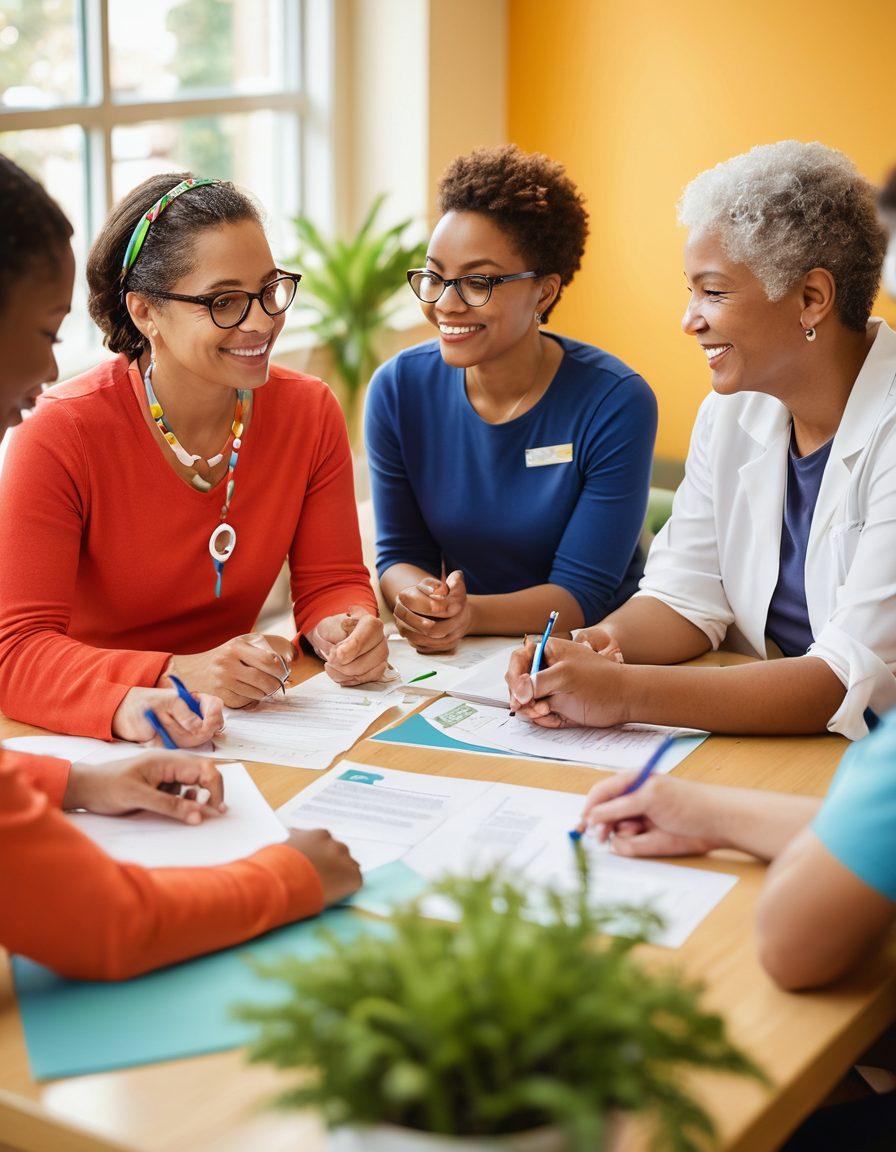
Imagine stepping into a room filled with people who truly understand what you’re going through. Their shared experiences echo in conversations about symptoms, therapies, and more importantly, hope. You’re not just a patient here; you’re part of a network, a collective strong enough to uplift and energize each other. Gathering insights from fellow patients, caregivers, and healthcare professionals can bolster your understanding of oncology, providing knowledge on the latest preventive care strategies and updates in medical research. You might wonder, how can I find such a community?
Organizations focused on cancer awareness and patient advocacy often host events aimed at outreach and fundraising efforts to support ongoing clinical studies and research. Connecting with such organizations can serve as your lifeline, offering a wealth of resources and educational information. Whether it's joining a fellowship group or participating in local educational workshops, engaging with others facing similar challenges not only normalizes your experience but empowers you with the understanding that you're not alone in this fight against malignancy.
The beauty of community engagement lies in its ability to foster a culture of support. Caregiver support is essential, too; those beside you on this journey need encouragement just as much as you do. Buddy up with someone who's been through the process, or perhaps explore online platforms that allow you to share stories and gather insights about lifestyle changes that could enhance your wellness. You might ask, how can I contribute to this network? Sometimes, sharing your own narrative can offer solace to someone who feels lost, turning your vulnerabilities into strength for others.
In the ever-evolving landscape of oncology, staying informed about treatment options and guidelines is paramount. Your community can serve as a treasure trove for updates and the most recent data on clinical studies. Being involved in discussions, both online and offline, about innovative therapies can help dispel fears and misconceptions, providing clarity and renewed hope. Remember, none of us are in this alone. Together, we are empowered, united by resilience and the unwavering pursuit of wellness. So, why not reach out and take that first step toward building your supportive network today?
Educating for Empowerment: How Knowledge Transforms Oncology Wellness
In the face of a malignancy diagnosis, the overwhelming feelings of fear and confusion can often drown out the hope that lives beneath the surface. But what if there was a beacon, guiding us through the turbulent waters of oncology? This is where education comes into play. By understanding our options, symptoms, and the latest treatment options, we can transform the navigation of our wellness journey. Education is empowerment, and it is the linchpin in reshaping how we perceive and approach our experience with cancer.
Imagine this: You're facing the uncertainty of a cancer diagnosis. The words from your doctor echo in your head, and suddenly, you're immersed in a sea of medical jargon. But here's the thing—what if you had the tools, the resources, and the knowledge to take control of your health journey? From caregiver support networks to community engagement initiatives, organizations are dedicated to providing crucial educational resources. They allow individuals to demystify clinical studies and emerging therapies, paving a path towards hope and survivorship.
Have you ever felt lost in the maze of preventive care and treatment guidelines? You're not alone. Many patients grapple with the complexities of healthcare, especially in oncology. But let me ask you this—what if instead of walking this path alone, you could connect with others facing similar challenges? Organizations foster strong networks that not only share vital updates but also encourage patient advocacy. By participating in these networks, patients can gain insights on the latest clinical studies and guidelines, enhancing their ability to make informed decisions about their care.
The road to wellness in oncology is often lined with questions, but the answers lie in education. What therapies are currently available? How do lifestyle choices impact my treatment? What are the latest milestones in medical research? As you seek answers, don't forget the power of community. Engaging with others on similar journeys can lead to invaluable support, inspiration, and shared experiences. From fundraising efforts to outreach programs, every action taken within these networks contributes to a larger mission of cancer awareness and patient empowerment.
As we navigate the complexities of oncology, we must remember that knowledge is not just power; it's a vital tool for transforming fear into resilience. By prioritizing education and community support, we can ensure that we’re not merely surviving but actively participating in our wellness journey. Whether you’re a patient, caregiver, or supporter, your involvement can shape the future of caregiving in oncology. After all, it’s not just about having hope; it’s about fostering a culture of empowerment and action, where every piece of knowledge leads us closer to healing.
From Symptoms to Survivorship: Comprehensive Resources for Patients and Caregivers
Navigating the complex world of oncology can feel like embarking on an uncharted journey. For patients and caregivers alike, the road is often fraught with uncertainty, hope, and a quest for understanding. 'What does this mean for my future?' or 'How can I support my loved one through this process?' These questions resonate deeply in the hearts of those affected by malignancy. The good news is that navigating these waters doesn't have to be done alone. Community, education, and comprehensive resources are here to guide and empower both patients and their caregivers on the journey from symptoms to survivorship.
In the world of oncology, the importance of education cannot be overstated. Understanding one's diagnosis and treatment options is crucial for every patient. Armed with knowledge, patients can advocate for their own health and wellness. Organizations dedicated to oncology provide valuable articles and resources that offer insights into symptoms, preventative care, and clinical studies. Information is empowering, and it paves the way for informed decision-making and a proactive approach to care.
But let's not forget about the caregivers—those unsung heroes who stand by their loved ones through thick and thin. Caregiver support is essential, and it's worth emphasizing how communities are rallying around these individuals. Many organizations offer workshops, fellowship programs, and outreach initiatives designed specifically for caregivers. These platforms not only provide education but also foster connections, allowing caregivers to share experiences and learn from one another. After all, who better to offer support than those who have walked this tough road before?
Survivorship is not just about overcoming cancer; it's about thriving in the aftermath. The transition from patient to survivor can be overwhelming, but with the right resources, it’s manageable. Health care professionals often encourage a holistic approach that incorporates wellness into daily lifestyle choices post-treatment. From nutrition to exercise and mental health resources, the myriad of options available ensures that survivors can continue to live rich, fulfilling lives. Engaging with local community organizations can also bolster this newfound sense of purpose and connection.
As patients and caregivers traverse this path together, the collective hope and determination to tackle cancer can be an uplifting force. Community engagement can take many forms—fundraising events, awareness campaigns, or simply educational discussions that help demystify this complex disease. Each effort contributes to a larger network of support and keeps the conversation alive about cancer awareness, medical research, and the latest treatment updates. Together, with resilience, education, and shared experiences, we can transform the landscape of oncology and foster a culture where not just surviving, but truly thriving is the norm.